Expert feedback:
Erin Li, female, holds a Ph.D. in Psychology from the University of Hong Kong. Her current research topic is related to AI and social psychology studies.
In my discussion with Erin,she offered professional feedback on my research about Revenge Bedtime Procrastination.
She acknowledged the value of my three interventions——Sleep Transfer, Daily Rhythm Card, and Self-Control Plan and advised me to focus on analyzing and categorizing my existing qualitative data rather than developing a new MBTI-style assessment, given the limited time before graduation.
She suggested that I summarize my participant interviews, identify different RBP types, and connect them with the most effective interventions. For the final presentation, she recommended creating a poster or short video that showcases representative cases and meaningful participant quotes.
Additionally, she encouraged me to include supplementary interviews with older generations to highlight intergenerational differences in nighttime behavior and perceptions of RBP.
Overall, her advice helped me realize that I should prioritize refining and synthesizing my findings rather than expanding the project further.
Dragon’s feedback:
During my discussion with dragon , He appreciated my clear definition of Revenge Bedtime Procrastination and the thoughtful structure of my three interventions. He noted that my second intervention effectively helps participants plan and reflect on their time — a valuable and practical contribution.
He encouraged me to further distinguish between students and young workers, as their daily constraints and motivations for RBP differ: students face academic and social pressures, while workers struggle with work-life balance and financial stress. Despite these differences, both groups experience a loss of autonomy and self-control, validating my focus on behavioral regulation and psychological compensation.
The expert also suggested I explore how individuals actually use their “revenge hours” — whether through scrolling, watching shows, or seeking mental recovery — to better understand what needs those behaviors fulfill. He challenged me to consider whether RBP should always be viewed as negative, proposing that late-night hours might instead be reframed as empowering personal time, depending on how they are used.
Finally, he advised me to clarify the goal of my research: rather than trying to eliminate RBP, I could focus on helping people transform it into a healthier, more autonomous practice that balances relaxation with responsibility.
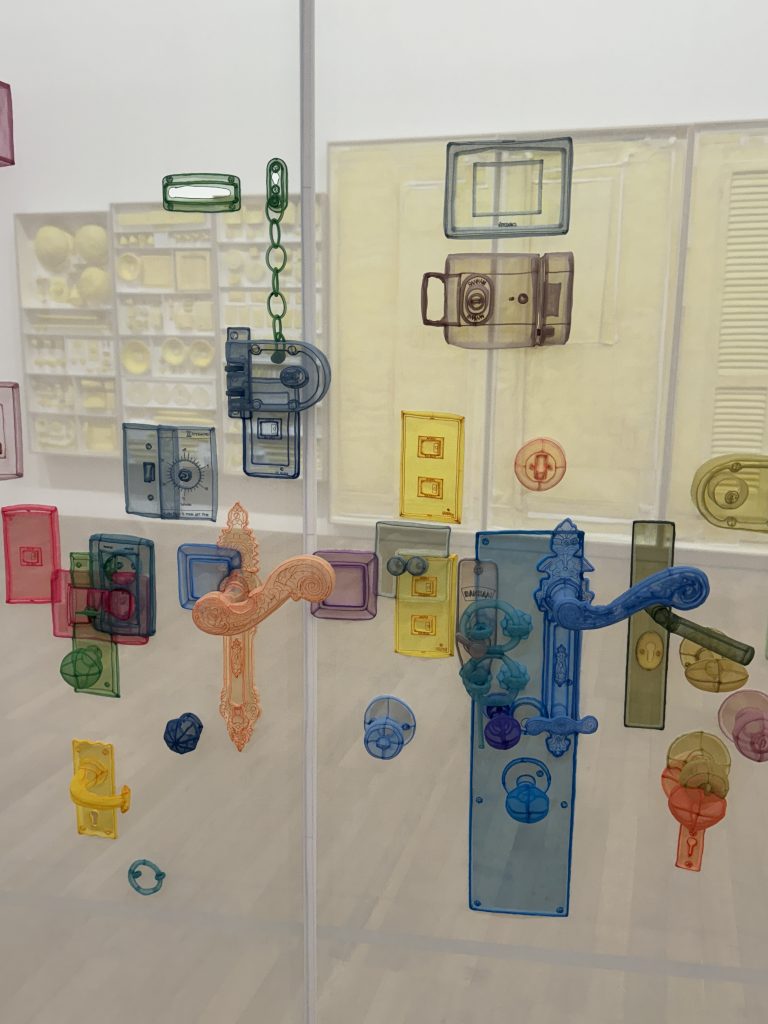
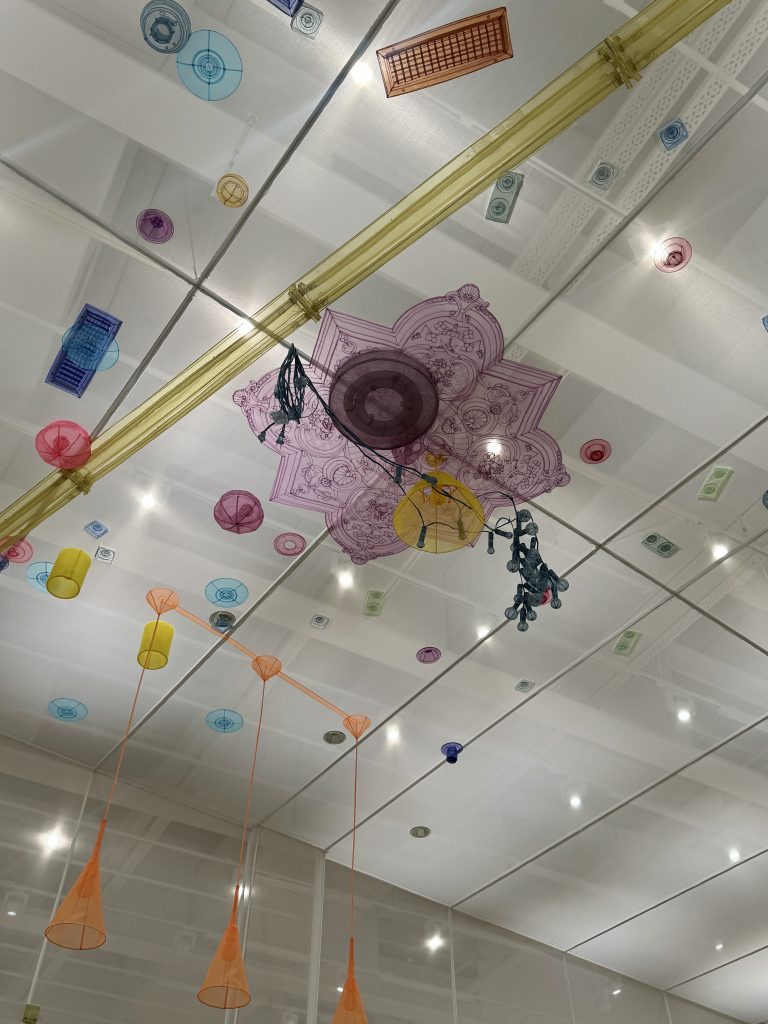
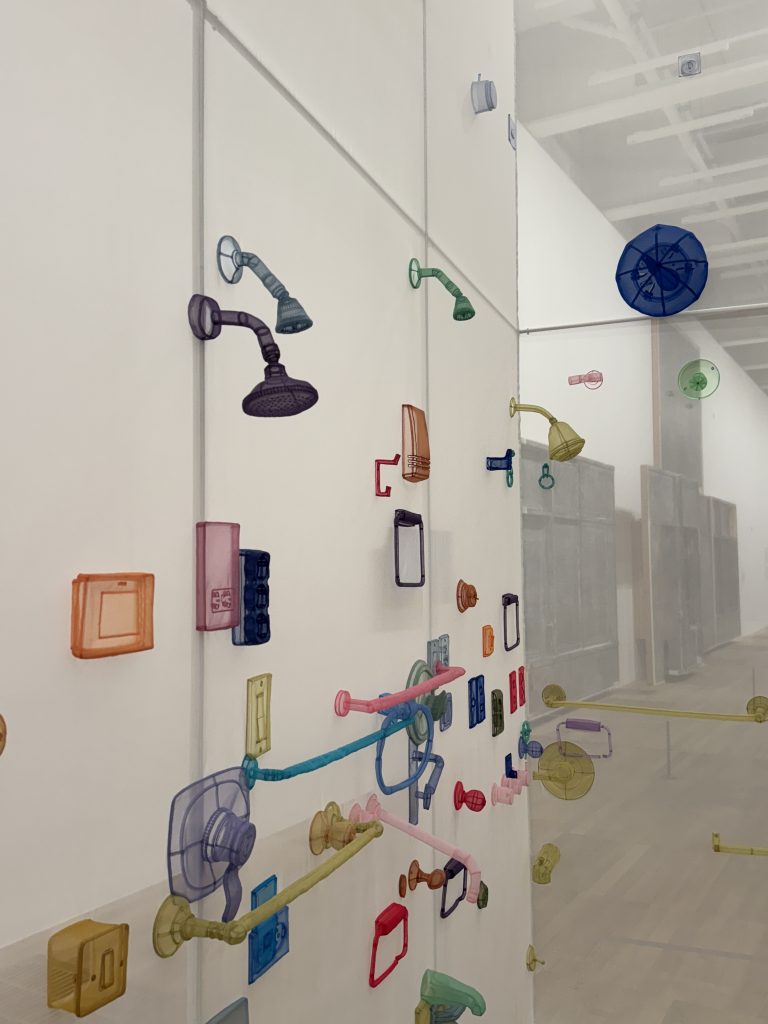
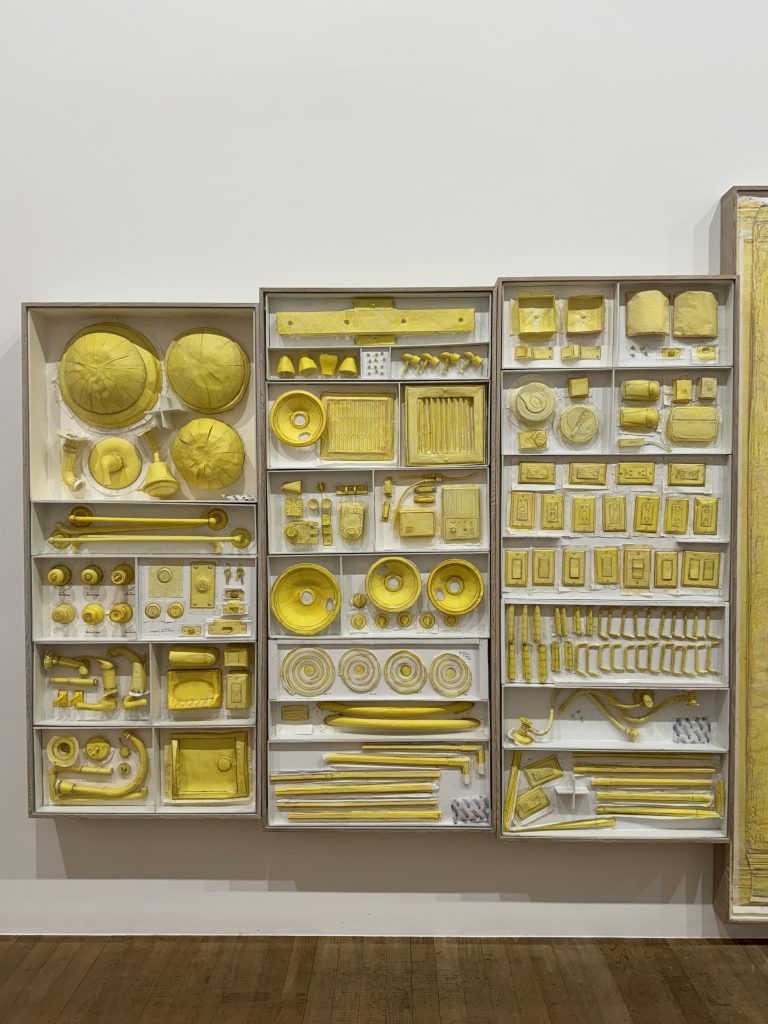
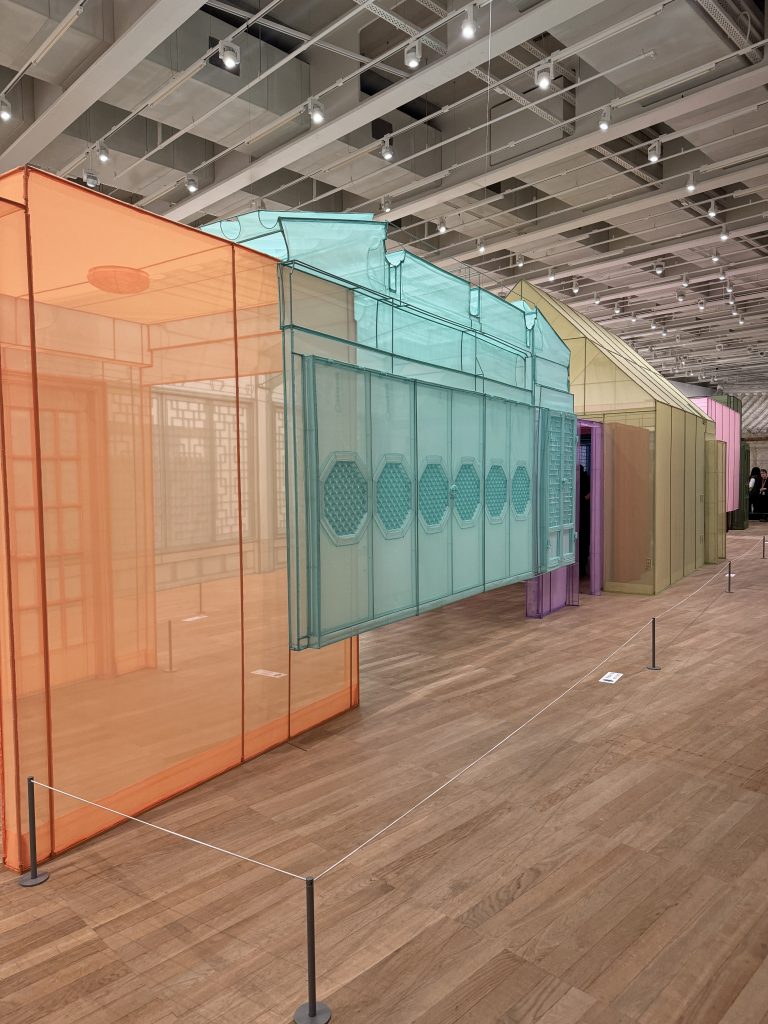
Insights and Relevance of《DO HO SUH:Walk the House》to the Study of Revenge Bedtime Procrastination
Although Walk the House is an art exhibition about home, space, and embodied experience, it carries strong psychological and emotional parallels with the phenomenon of Revenge Bedtime Procrastination . The work offers several conceptual insights that inform my research:
https://www.tate.org.uk/whats-on/tate-modern/the-genesis-exhibition-do-ho-suh/exhibition-guide
1. Metaphors about Personal Space: Why is Nighttime so Important?
The works of Do Ho Suh often use fabrics, transparent structures and accessible Spaces to express a light yet profound concept of a “portable home”.
This is highly consistent with the psychological needs in Revenge Bedtime Procrastination :
Night = portable private space
Consistent with my research findings, the satisfaction that participants gained at night was not merely during leisure time, but rather:
Autonomy is restored, emotional feedback lacking during the day, and undisturbed private space.
The art form of Do Ho Suh presents that in a highly fluid, oppressive or structured life, people will actively create a space of their own. And the nights of the participants who stay up late in retaliation are precisely a kind of self-created space behavior.
Insight:
My research can understand Revenge Bedtime Procrastination as the behavior of creating mental space.
2. Visualization of daily structure: Understanding personal rhythm
The installation of Walk the House translates the daily environment into a tangible and walk-in structure.
My research on Revenge Bedtime Procrastination involves: the compression of the daytime rhythm and the burden of personal emotions.
The works of Do Ho Suh reveal that the daily rhythm and living space are not only related to the external environment, but also to our internal feedback.
I found that this was linked to my intervention:
Rhythm perception cards = Enabling participants to be aware of their own daily rhythms.
The Time Perception experiment = allowing participants to perceive the difference between personal experience and time perception.
Insight:
Intervention experiments are not only about changing behaviors, but also can help participants reshape their life structures.
3. Identity, Belonging and Autonomy: Why Does the Night have Symbolic Significance?
The core of Do Ho Suh’s works is: “Who am I?” Where am I? Where do I belong? This is about mobile identities, personal space, and the pursuit of self-control.
My research also raises similar questions:
Why do people choose to search for themselves at night?
Why does the night have an irreplaceable symbolic significance for some people?
The works of Do Ho Suh show that space is an extension of identity, and autonomy comes from “disposable space”. When the real life space cannot accommodate oneself, people will create alternative psychological Spaces. For those who stay up late in retaliation, the night becomes an “identity space”.
Insight:
This perspective helps further differentiate two types of Revenge Bedtime Procrastination participants:
Replaceable Type: compensation comes from control
Non-Replaceable Type: compensation comes from emotional belonging and symbolic nighttime meaning
Leave a Reply